Transforming Conflict Zones: My Role in Colombia’s Zonas Futuro Initiative
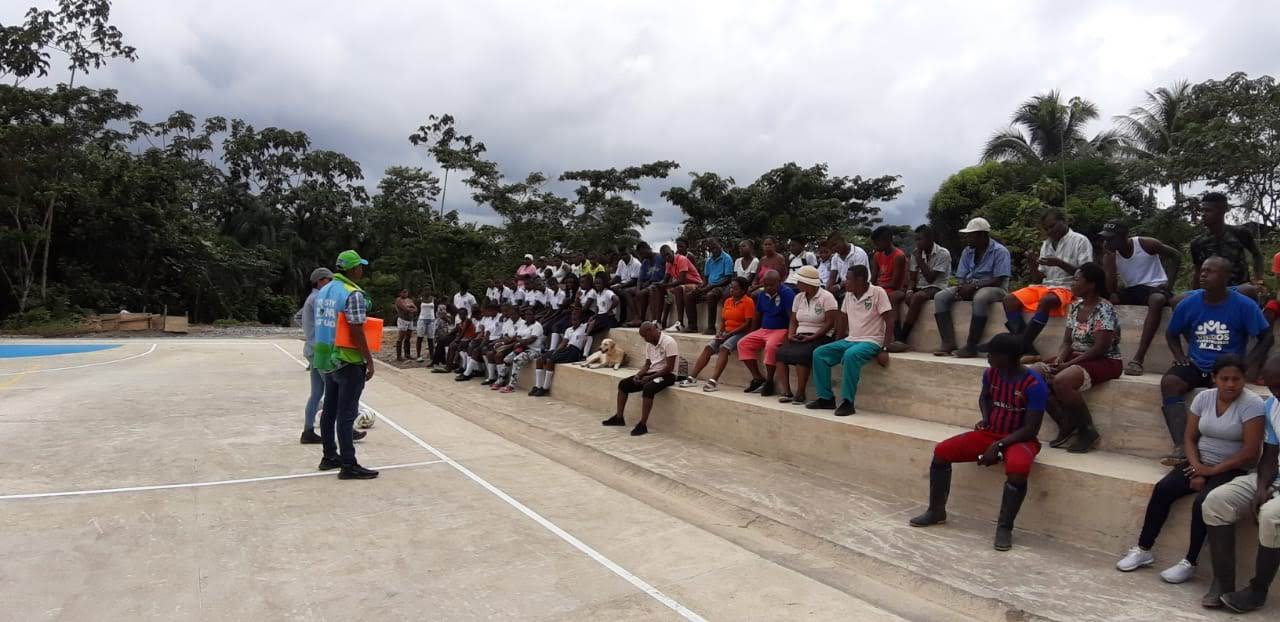
Between November 2019 and November 2021, I had the privilege of serving as a Social Development Project Specialist at the Presidency of the Republic of Colombia, contributing to the Zonas Futuro initiative. This ambitious program aimed to transform regions deeply affected by conflict and violence into areas of peace and development.
Understanding the Zonas Futuro Initiative
Launched by the Colombian government, the Zonas Futuro strategy targeted territories plagued by criminal activities, illicit economies, and limited state presence. The goal was to introduce comprehensive interventions that combined security measures with social and economic development projects, fostering stability and prosperity in these vulnerable regions.
My Role and Contributions
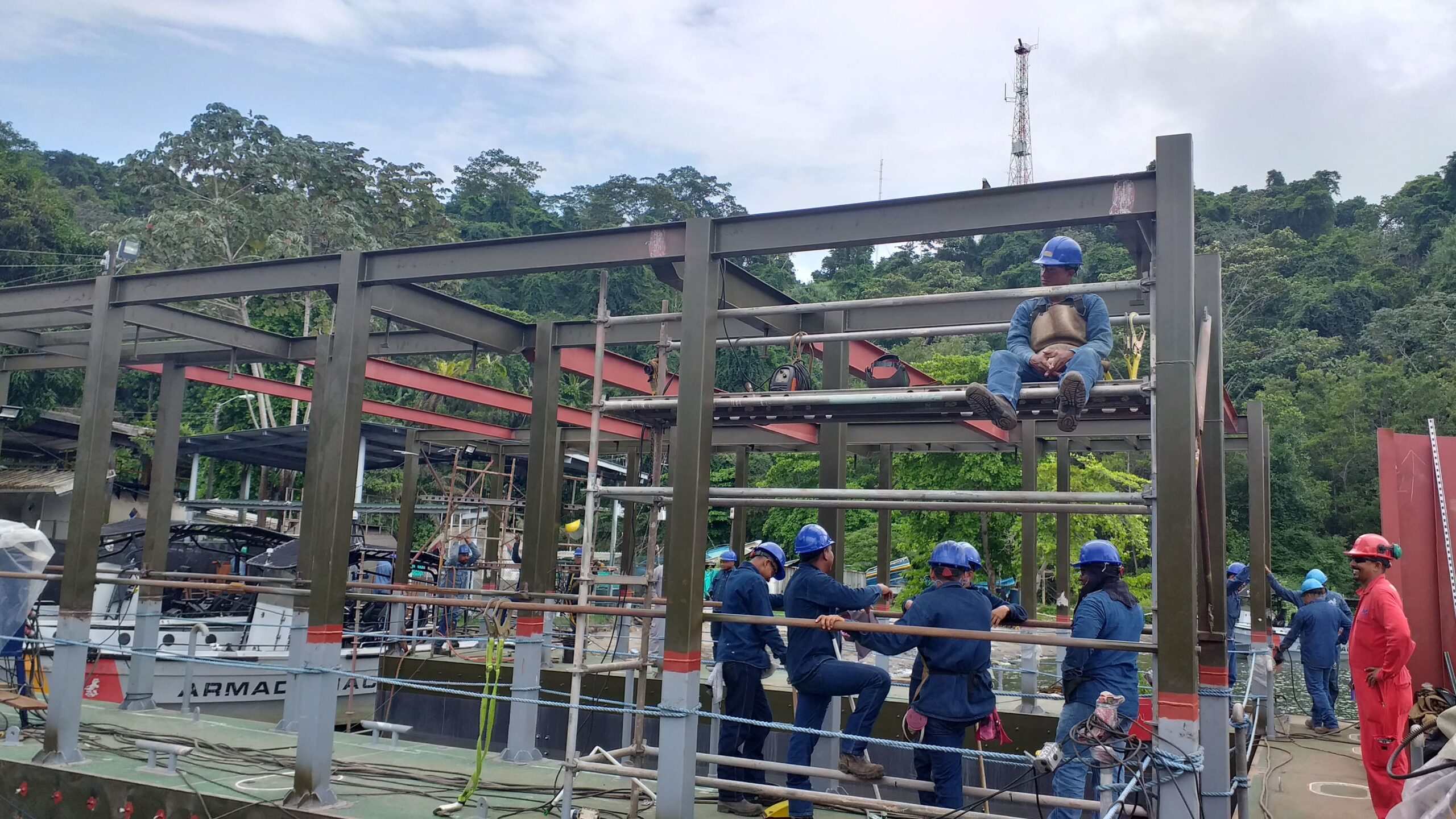
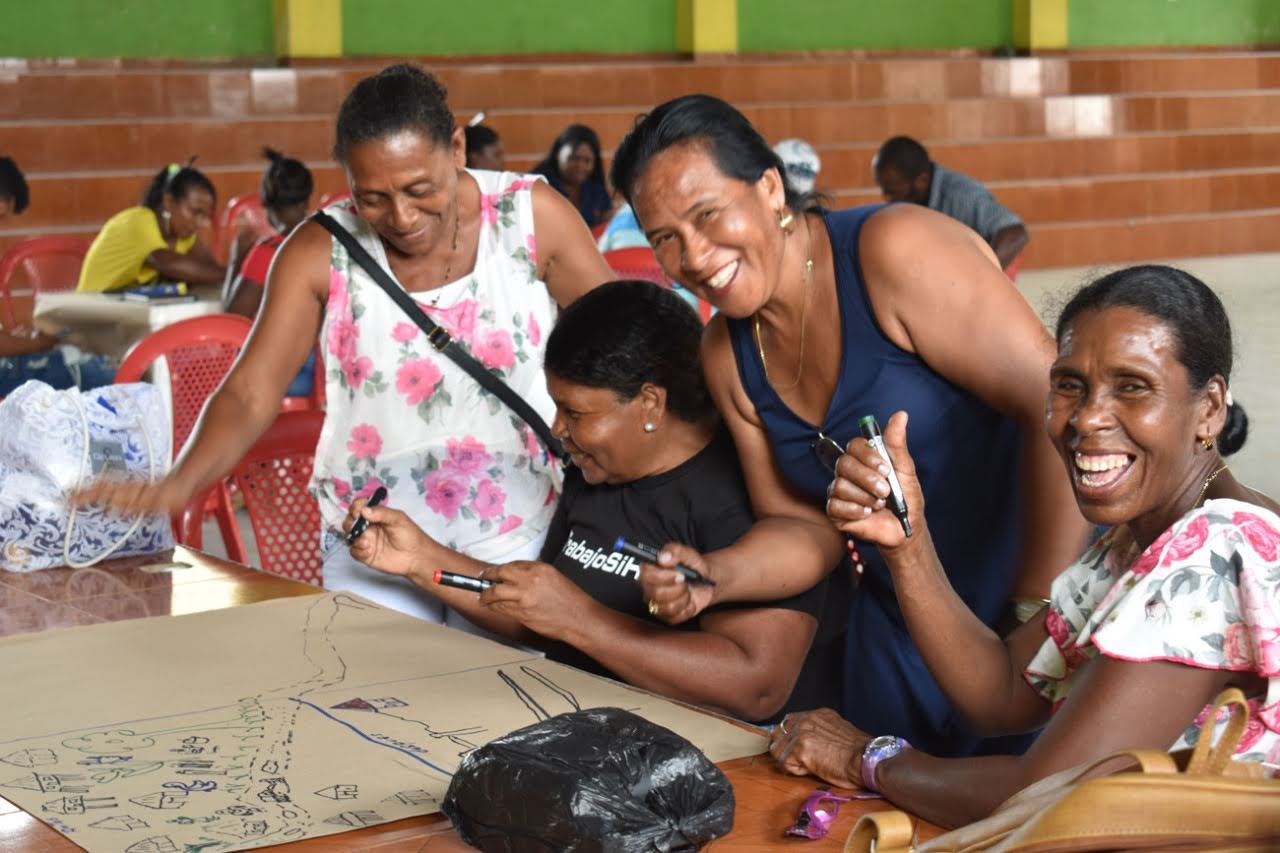
As part of the Zonas Futuro initiative, my work focused on designing and implementing development strategies tailored to the needs of vulnerable populations—women, children, indigenous and Afro-descendant communities, migrants, and victims of armed conflict. I conducted detailed sociocultural, economic, and religious analyses to ensure that every intervention was grounded in real community context. Over the two years, I advised more than 50 projects related to education, infrastructure, gender identity, and economic empowerment in post-conflict zones, ensuring each project was both relevant and sustainable.
To measure impact, I developed monitoring systems and key performance indicators that tracked the progress of over 70 initiatives. I was also responsible for structuring more than 40 public-private agreements and managing their full contractual lifecycles. Leading multidisciplinary teams across regions, I helped bridge technical execution with human-centered planning. A key part of my work was coordinating communication strategies, including social media campaigns and visual materials that brought visibility to the projects and the people behind them. I worked closely with partners at every phase—from project formulation and legal documentation to evaluation and reporting—while also providing on-the-ground technical support to both beneficiaries and collaborators.
This hands-on involvement allowed me to ensure each project stayed aligned with its goals while remaining flexible enough to adapt to the complex realities of the communities we served.
Impact and Reflections
Working on the Zonas Futuro initiative was both challenging and rewarding. The multifaceted approach required balancing immediate security concerns with long-term development goals. By integrating sociocultural insights into project planning and fostering strong partnerships, we aimed to create sustainable change in regions that had long suffered from neglect and conflict.
This experience deepened my understanding of the complexities involved in post-conflict reconstruction and reinforced my commitment to human rights and peacebuilding. It underscored the importance of holistic strategies that address not only the symptoms of conflict but also its root causes, paving the way for genuine and lasting development.